3D for e-commerce5 min read
Personalisation and customisation are not the same thing, and 3D only fits one of them
The difference between personalisation and customisation in e-commerce, the data each one needs, and where 3D actually belongs.
By CharpstAR · 4 Oct 2023 · Updated 22 Sept 2026
The two words get used as synonyms in almost every e-commerce article, including several we published ourselves a few years ago. They describe different things, they are built by different teams, they need different data, and confusing them is why a lot of personalisation projects deliver nothing.
The short version: customisation is what the customer does to the product. Personalisation is what the shop does to the shop. One of them is a 3D problem. The other one mostly is not.
The distinction, stated plainly
| Customisation | Personalisation | |
|---|---|---|
| Who acts | The customer, deliberately | The retailer, automatically |
| What changes | The product itself | What the customer is shown |
| Data it needs | Product data: options, compatibility rules, prices, lead times | Behavioural data: browsing, purchase history, segment, sometimes location |
| Visible to the customer | Entirely. It is the interface | Usually invisible, and better when it is |
| Owned by | Product and production | Marketing and data |
| Failure mode | An order that cannot be built | A creepy or irrelevant recommendation |
A shopper choosing oak legs and a grey fabric is customising. A homepage that shows that shopper dining tables next week because they looked at chairs is personalising. Both can be good. They are not the same project.
What each one actually needs
Customisation needs the boring product data to be right. Which options exist, which combinations are physically possible, what each one adds to the price, what each one adds to the lead time, and what specification gets handed to the factory at the end. If that data is not in order, no amount of interface work saves it. We have written separately about the pricing rules and lead time logic that decide whether a customiser works.
Personalisation needs behavioural data and enough traffic for it to mean anything. A shop with four hundred sessions a day and three hundred products does not have the volume to recommend well, and a recommendation engine fed thin data produces the "you bought a mattress, here are nine more mattresses" effect that makes a site look stupid. It also needs a consent posture you can defend, because the data involved is personal data.
Where 3D fits, honestly
3D is a customisation technology. It is the interface for choices the customer makes about the product, and it is very good at that, because it answers the question a swatch grid cannot: what will this actually look like assembled.
For personalisation, 3D plays three smaller and more specific roles.
It generates the imagery. Once a product is modelled, a render of any variant costs a render rather than a photo shoot. That means a personalised email or ad can show the grey version to someone who looked at grey, without a studio booking. This is the most useful connection between the two and it is a production capability rather than a targeting one.
It carries state. If a shopper configures a chair and comes back three days later, the configuration should still be there. That is a small, unglamorous feature and customers notice it immediately. It is personalisation in the honest sense: the shop remembering what you told it.
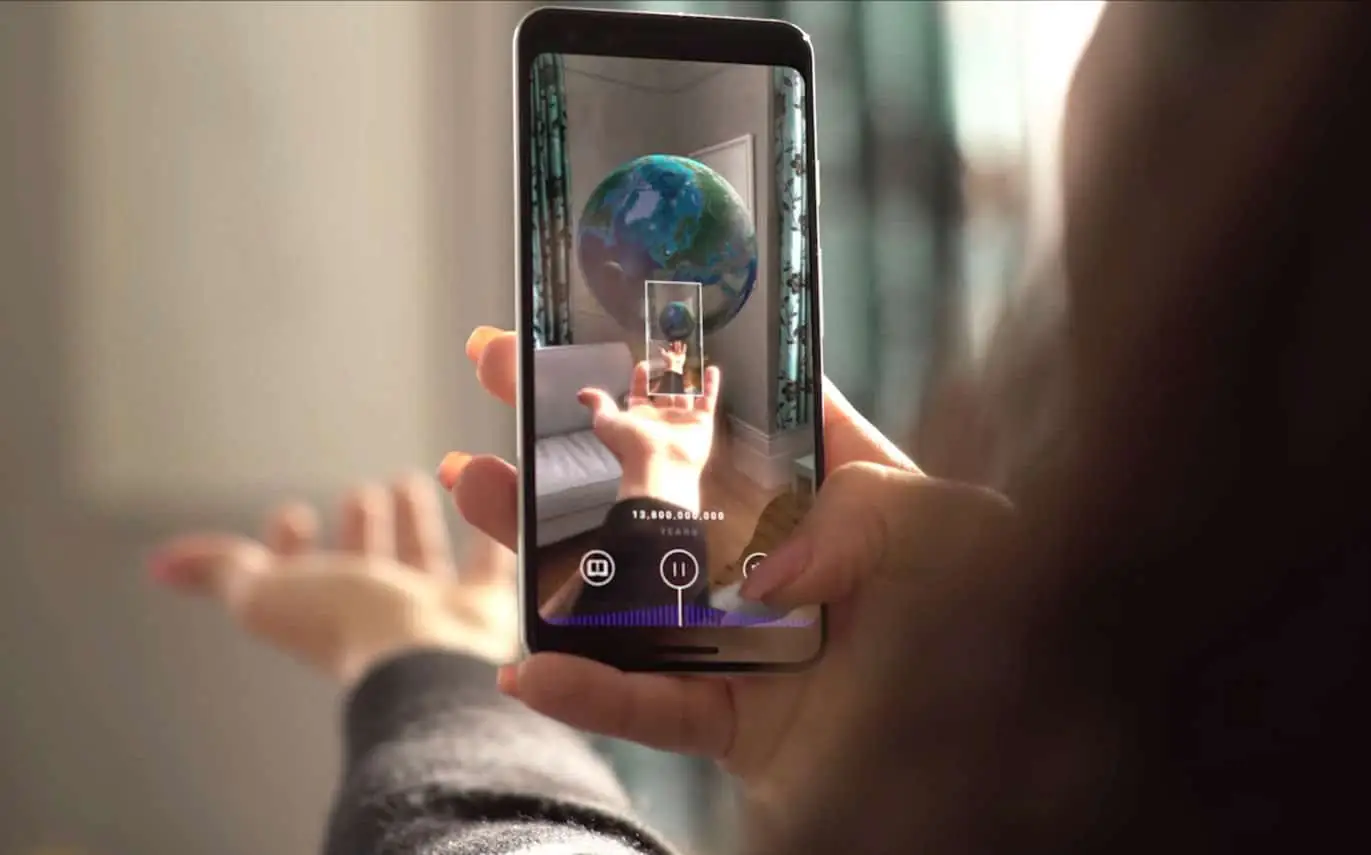
It answers a context question. Web AR shows the product at real size in the customer's own room, through Scene Viewer on Android and Quick Look on iOS. That is personal in the plainest sense, and the personal data involved never leaves the phone, because the camera feed is not something the retailer sees. Worth saying out loud in a privacy note, because customers assume otherwise.
What 3D does not do is tell you what to recommend. A viewer has no opinion about which product suits a shopper.
The evidence, and its shape
The merchant-reported numbers that circulate in this area are about 3D and AR, not about personalisation. Shopify reported in 2020 that interactions with products carrying 3D or AR content converted 94 percent more often than comparable products without. Rebecca Minkoff reported shoppers who viewed a product as a 3D model were 44 percent more likely to add to cart and those who viewed in AR were 65 percent more likely to purchase.
Read those as evidence for better product information, which is what 3D is. Nobody has published a credible figure for what a 3D asset adds to a personalisation programme, and we are not going to invent one.
What we see on real projects
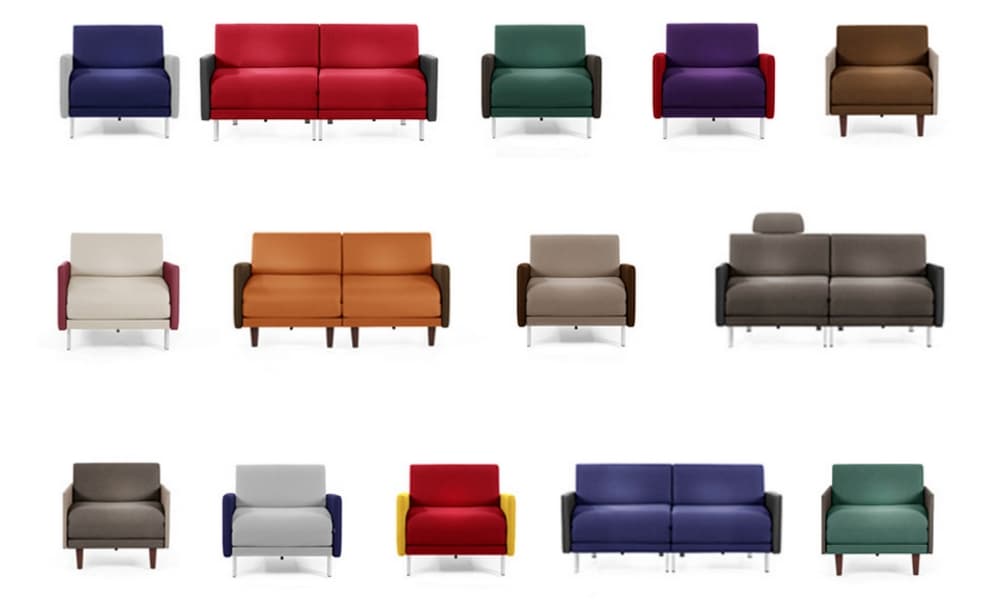
MELIMELI is a customisation build: the shopper explores sofas, browses fabrics and places the result at home. Nothing about it guesses what the shopper wants. It just lets them say.
Contura is the same category of tool applied to a variation-heavy stove range, and it is used by salespeople in store as well as by customers online, which is a good test of whether a tool is really about product data rather than about targeting.
Sweef turned internal 3D resources into a customer-facing modular configurator. The interesting part of that project was the combination logic, not the recommendations.
The pattern across all three is that the hard, valuable work was product data and material accuracy. That is customisation work.
A sensible order of operations
If you have limited budget and are deciding between the two, the sequence that usually works is this.
Get customisation right first, for the products that have options. It is deterministic, the customer sees the value immediately, and the asset you build is reusable across your ads, your emails and your product pages.
Add personalisation second, and start with the cheap, defensible versions: recently viewed, remember the configuration, sensible category-level merchandising. Move to behavioural recommendation only when you have the traffic to train it and a consent position you would be happy to explain to a customer.
Do not spend on a recommendation engine while your product pages still show one photo of a sofa that comes in nine fabrics. The information gap is the bigger problem.
What it costs
Our pricing is per product per month: Basic from 10 dollars per product per month on a twelve-month term with a minimum of 100 variants, Value from 20 dollars per model per month on a twenty-four-month term for higher-detail and configurable products, Enterprise quoted.
If you want to see which of the two your catalogue actually needs, start with the product that has the most options and the fewest photographs. Send it to us and we will build the 3D model free, for you to keep.
Sources
- Shopify, merchant data on 3D and AR content, September 2020.
- Shopify, 3D e-commerce and AR shopping.
- Google, Scene Viewer developer documentation.
- Apple, AR Quick Look.